

Does It Snow in Italy?
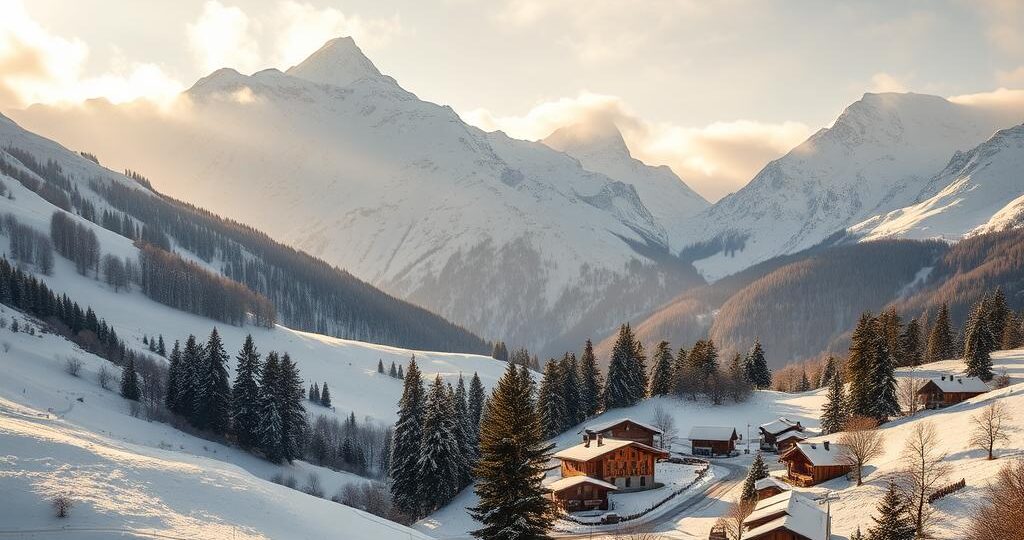
Are you thinking about visiting Italy in winter? You might wonder: does it snow in Italy? Yes, it does, but the snowfall changes a lot from north to south. The Dolomites and Italian Alps get a lot of snow. But, other areas have milder winters.
Picture walking in cities like Milan and Turin, with snow on the mountains and frozen lakes around. But when is the best time to see Italy’s winter wonderland? We’ll look at the snow season, how deep the snow gets, and the top places to see snow. Does Italy’s snow make your winter trip unforgettable?
Snow in Italy Takeaways
- Italy’s snowfall varies greatly across different regions
- The Dolomites and Italian Alps receive the most snowfall
- Northern Italy experiences colder winters than the south
- The best time to visit Italy for snow is during the winter months
- Snowy landscapes in Italy offer a unique winter wonderland experience
The Magic of Italian Winters: A Snowy Introduction
Visiting Italy in winter is a treat. The snow, mountains, and towns make it magical. It’s a winter wonderland you can’t miss.
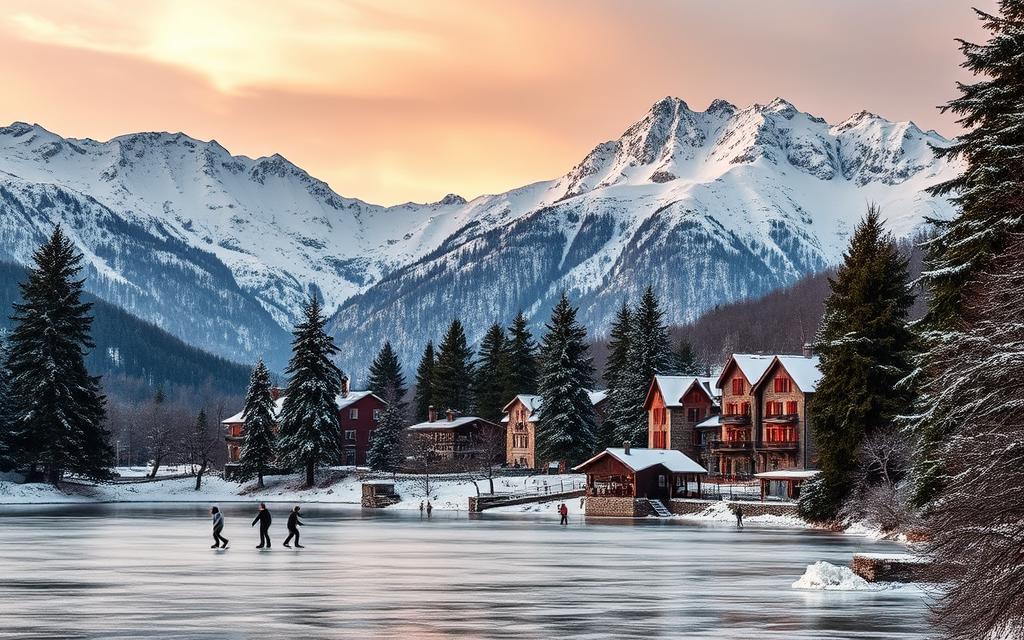
Italian winters have snow on mountains and frozen lakes. Towns look like they’re in a time freeze. The Dolomites in northeastern Italy are great for snow sports. They offer top skiing and snowboarding.
Introduction to Italian Winters
Winter in Italy offers many fun activities. You can ice skate, sled, ski, or snowboard. It’s perfect for a romantic trip or an exciting adventure.
The weather is cool to cold, with temps from 32°F to 50°F (0°C to 10°C). But, the north is colder than the south.
When Does It Snow In Italy: Your Seasonal Guide
Winter brings snow to Italy, turning it into a magical place. If you want to see snow in Italy, knowing when is key.
Best Months for Snow Adventures
December to February are the best months for snow in Italy. January is the snowiest month. The Alps and Dolomites get lots of snow, perfect for skiing and snowboarding.
For a quiet snow experience, visit in December or February. These months are calm, with fewer people and beautiful views.
Peak Snowfall Periods
January is the coldest month in Italy, with the most snow in the north. The Dolomites get about 120 inches of snow yearly, great for skiers and snowboarders.
| Month | Average Snowfall (inches) | Popular Snow Destinations |
|---|---|---|
| December | 20-40 | Cortina d’Ampezzo, Breuil-Cervinia |
| January | 30-60 | Dolomites, Italian Alps |
| February | 20-40 | Livigno, Sestriere |
Winter Weather Patterns
Italy’s winter weather changes from north to south. The north is colder with lots of snow. The south is milder.
Knowing these patterns helps plan your winter trip to Italy. Italy offers both snowy adventures and quiet winter escapes.
How Often Does It Snow In Italy Throughout the Year
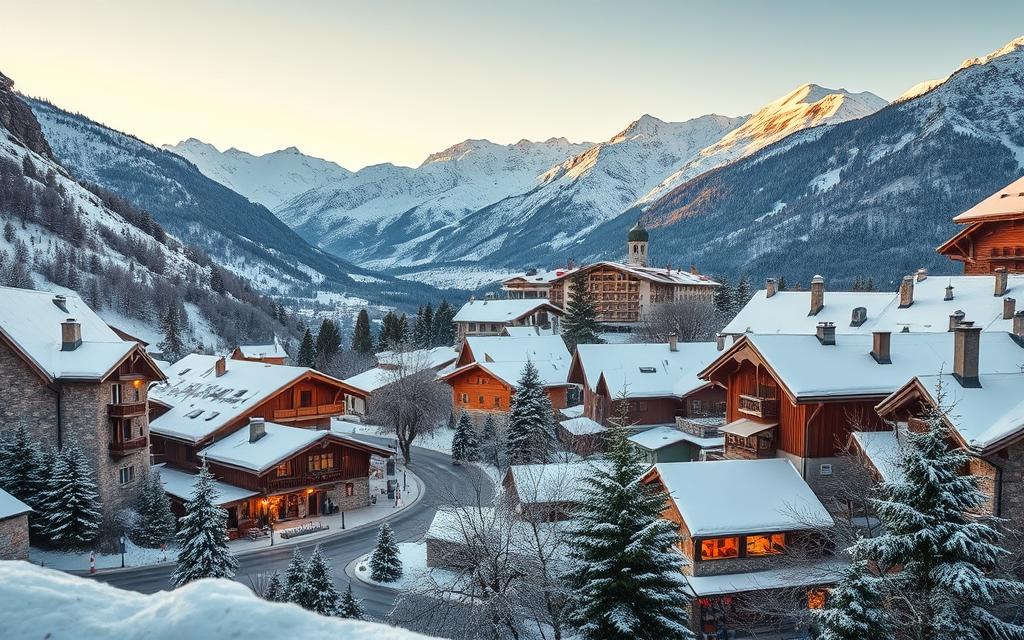
Snow in Italy changes a lot from place to place and time to time. If you’re going to Italy in winter, knowing when it snows is key. This helps you plan your trip better.
Regional Variations in Snowfall
Italy’s shape affects how much snow falls. The Alps and Dolomites in the north get a lot of snow in winter. But, the south and islands have milder winters with less snow.

The cold season in Italy is from December to February. January is usually the coldest. The north gets a lot of snow, perfect for skiing.
| Region | Average Snowfall in January | Average Snowfall in February |
|---|---|---|
| Northern Italy (Alps) | 30 cm | 25 cm |
| Central Italy | 5 cm | 3 cm |
| Southern Italy | 1 cm | 0.5 cm |
Planning Your Trip
January is a quiet month for tourists in Italy. It’s cheaper and less crowded. It’s great for a calm winter trip. But, if you want snow sports, wait for the peak snow times.
Knowing when it snows in Italy helps plan a better trip. Whether you want snow or a mild winter, Italy has it all.
Where Does It Snow in Italy: Regional Overview
Italy has many different landscapes. Its snowfall varies a lot, from the snowy Alps to the warm Mediterranean coast. Some places are great for a winter wonderland, while others are milder.
The northern parts of Italy, like the Dolomites and Italian Alps, get a lot of snow. These areas are perfect for skiing and snowboarding. Places like Cortina d’Ampezzo and Breuil-Cervinia have amazing winter sports.
Does It Snow in Milan, Italy?
Milan is in the north of Lombardy and has cold winters. It doesn’t get as much snow as the mountains. But, Milan can get snow, mostly in the hills and countryside.
On average, Milan gets about 10 cm (3.9 in) of snow a year. Most of this snow falls in January and February.
Does It Snow in Venice, Italy?
Venice is in Veneto and has a humid subtropical climate. Snow is rare in Venice, but nearby areas can get it. Venice’s unique lagoon and its location by the Adriatic Sea keep its climate mild.
Does It Snow in Florence, Italy?
Florence is in Tuscany and has a Mediterranean climate with cool winters. Snow is rare in Florence, but it does happen. When it does, it’s usually light.
The hills and mountains around Florence get more snow. This makes Florence a great place for a milder winter.
Knowing when it snows in different Italian cities helps plan your winter trip. Italy offers both snowy adventures and milder winters.
Does It Snow in Northern Italy: Alpine Wonderland
Winter in Northern Italy is magical. The Dolomites and Italian Alps are perfect for skiing and snowboarding. It’s a snowy wonderland every year.
Northern Italy has amazing ski resorts. The Dolomites, a UNESCO site, have exceptional ski slopes and stunning views. You can ski, snowboard, or just enjoy the scenery. The Italian Alps have snowshoeing and ice skating in pretty towns.
Top winter spots include Breuil-Cervinia, Courmayeur, and Livigno. These places have world-class skiing and great facilities. You can choose the best ski resort for your adventure.
Winter in Northern Italy is cold and snowy. It’s perfect for winter sports. Remember to wear warm clothes, like thermal layers and waterproof jackets.
In short, Northern Italy is great for winter fun. It has adventure, beauty, and culture. It’s perfect for skiers and snow lovers alike.
Does It Snow in Southern Italy: Mediterranean Winter
Many think of Italy as warm, but Southern Italy has its own winter magic. Snow falls in the mountains, while the coast stays mild. This mix makes Southern Italy a unique winter spot.
The climate in Southern Italy is milder than the north. Yet, it has a winter with snow in some places. The Apennine Mountains, running through Southern Italy, get a lot of snow. This is great for winter sports.
Does It Snow in Naples Italy
Naples, a coastal city, has mild winters. Temperatures rarely go below 0°C (32°F). But, nearby Mount Vesuvius and Campanian Apennines get snow. This creates beautiful winter views and chances for hiking and skiing.
While Naples itself doesn’t get much snow, the areas around it do. Visitors can go on a snowy mountain trip. This combines city life with snow-covered beauty.
Does It Snow in Sicily Italy
Sicily, Italy’s biggest island, has a varied climate. The Madonie Mountains and Etna get snow in winter. These mountains have ski resorts and stunning winter views, making Sicily perfect for snow lovers.
The snow in Sicily’s mountains attracts many tourists. It offers skiing, snowboarding, and more. The contrast between snowy mountains and warm coast adds to Sicily’s appeal.
| Region | Average January Temperature | Snowfall |
|---|---|---|
| Naples | 9°C to 15°C (48°F to 59°F) | Rare in the city, common in nearby mountains |
| Sicily (Mountains) | Varies with elevation | Common in the Madonie and Etna regions |
Italian Snow Destinations You Can’t Miss
Italy turns into a magical winter wonderland. It offers many chances for snow-filled fun. You’ll find different snow places for all kinds of interests.
The Apennines mountains and Italian countryside cities are full of snow. You can relax, explore, or have an adventure. Italy’s snow spots have something for everyone.
Snow in the Eternal City: Rome’s Winter Charm
Rome is beautiful in winter. Snow is rare, but landmarks and attractions are more magical. January is a good time to visit Rome. Prices are lower and there are fewer people.
Tuscany’s Snowy Landscapes
Tuscany is stunning in winter. Its hills, villages, and vineyards look amazing with snow. You can relax, visit wineries, and try local food.
Rome and Tuscany are must-sees in Italy’s snowy season. Rome’s history and Tuscany’s beauty will impress you. Italy’s snow spots are unforgettable.
Understanding Italian Winter Climate Zones
Italy’s winters are different in many places. From the Alps to the Mediterranean coast, the weather changes a lot. Knowing about these zones helps when planning your winter trip to Italy.
The Alpine climate zone is in the north, like the Dolomites and the Italian Alps. It gets a lot of snow in winter. This is great for skiing and snowboarding. Places like Cortina d’Ampezzo and Breuil-Cervinia are top spots for these activities.
The Mediterranean climate zone has milder winters. This is true for the south and coastal areas. Cities like Naples and Rome have mild winters with some rain but little snow. This is perfect for those who don’t like cold weather.
The Continental climate zone is in the center and north, like the Po Valley. It has cold winters with a lot of snow, mostly in the mountains. Milan and Turin offer a winter wonderland feel, even if it snows more in the mountains.
Italy’s different climate zones mean you can have different winter experiences. Whether you want snow or a mild winter, Italy has it. Knowing about these zones helps plan your trip for the best Italian winter experience.
| Climate Zone | Characteristics | Popular Destinations |
|---|---|---|
| Alpine | Heavy snowfall, cold winters | Cortina d’Ampezzo, Breuil-Cervinia |
| Mediterranean | Mild winters, occasional rainfall | Naples, Rome |
| Continental | Cold winters, significant snowfall | Milan, Turin |
Essential Winter Travel Tips for Italy
If you’re going to Italy in winter, pack smart and know how to handle the weather. The snow-covered Dolomites and snowy cities are beautiful. Being ready is key for a great trip.
What to Pack for Snowy Italy
For a comfy trip to Italy in winter, bring the right clothes. You’ll need a thick coat, gloves, hats, and scarves. Also, waterproof boots with good grip are important for snowy adventures or winter sports.
Remember to pack layers for indoor warmth. Thermal underwear, a warm beanie, and a good umbrella are also good ideas. If you’re skiing, bring your gear or rent it. Check the weather forecast to get ready for any extreme weather.
Transportation in Winter Conditions
Traveling in Italy’s winter needs some planning, mainly for transport. Big cities have good public transport, but rural areas can be tough in snow. If you rent a car, make sure it has snow tires or chains.
For those not driving, Italy’s trains and buses work well. But, check schedules early, as some services might be less in winter. January is a good time to visit for lower prices and fewer people.
Best Winter Activities in Italy’s Snowy Regions
Italy’s winter landscape is full of fun activities for all. Whether you love adventure or just want to relax, Italy’s snowy spots have it all.
Skiing and Snowboarding are top choices in Italy. The Dolomites, a UNESCO World Heritage Site, have amazing slopes. Places like Cortina d’Ampezzo and Alta Badia offer top skiing. The Italian Alps, including Lombardy and Piedmont, also have great ski resorts.
Snowshoeing is another great way to see Italy’s winter beauty. Many resorts have guided tours. You can explore snow-covered forests and mountains.
Italy’s winter cities are also a treat. Visit places like Turin and Milan for festive markets and ice skating. Enjoy hot chocolate and mulled wine in cozy cafes.
The Italian snow sports scene is not just in the Alps. Tuscany and the Italian Lakes have ice skating and sledging. The winter weather in Italy changes by region. But the north gets a lot of Italy snowfall, perfect for snow sports.
When planning your trip, think about the winter weather Italy has. The north is colder and snowier. The south has milder winters. Knowing the Italy snowfall helps pick the best places for your activities.
In short, Italy’s snowy areas offer many winter funs. From exciting snow sports to cultural experiences, there’s something for everyone. Whether you love mountains or city vibes, Italy’s winter is magical.
Conclusion: Embracing Italy’s Winter Magic
Exploring Italy in winter is amazing. You’ll see snow on rooftops and quiet streets. January is special, with cities and mountains feeling calm.
The Dolomites and Tuscany’s cities are full of winter wonder. The north gets lots of snow. But the south is milder.
Italy is perfect for skiing or a romantic trip. Its snow and cities are beautiful. Come see Italy’s winter magic for yourself.
Resources:
Italian National Tourist Board
Venice Official Tourism Website
